
Zinc ash price represents a valuable industrial byproduct with growing importance. This powdery residue forms during hot-dip galvanizing and other metal processing operations. Many factories once discarded this material, but modern industries now recognize its potential. Understanding zinc ash price helps businesses reduce waste and improve sustainability.
What Is Zinc Ash price?
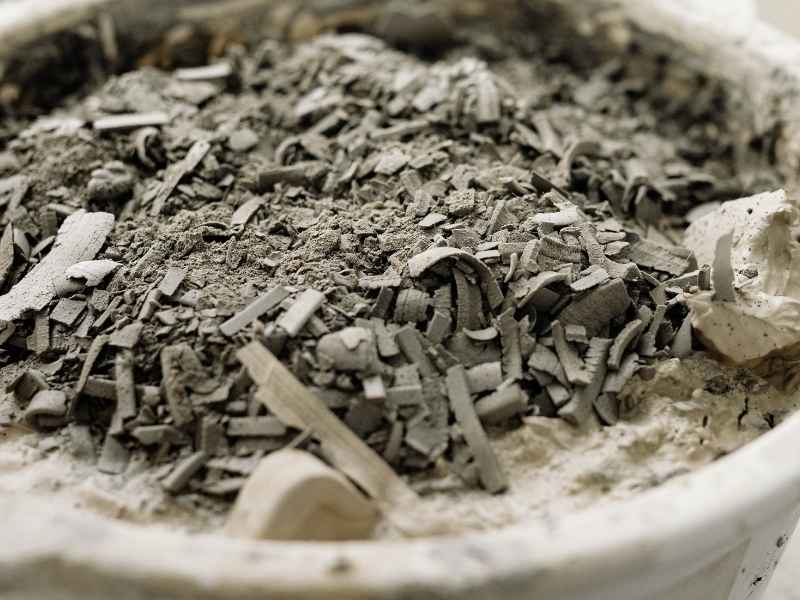
Zinc ash price consists of oxidized zinc particles mixed with metallic fragments. The substance typically appears as a fine gray or white powder. Its composition varies based on the production process and raw material quality. Most samples contain zinc oxide, zinc ferrite, and traces of other metals.
Hot-dip galvanizing plants generate significant quantities of this residue annually. The material contains between forty and ninety percent recoverable zinc metal. This high metal content makes recycling economically attractive. Proper handling transforms this waste into a profitable resource stream.
Primary Zinc Ash price in Metal Recovery
The most common application involves recovering metallic zinc from the residue. Factories employ several methods to extract pure metal from this byproduct. Pyrometallurgical processes heat the ash to temperatures above nine hundred degrees Celsius.
At this heat level, zinc vaporizes and separates from iron impurities. The vapor then condenses into nearly pure metallic zinc. Research shows this method achieves recovery rates up to eighty-two percent.
Electrochemical techniques offer another effective approach to metal recovery. These processes dissolve the ash in acid solutions and deposit pure zinc through electrolysis. The resulting metal reaches purity levels of ninety-nine point nine five percent.
Zinc Ash price in Chemical Manufacturing
Recycled ash serves as an excellent feedstock for chemical production. Manufacturers process this material into zinc oxide for various industrial applications. The chemical industry relies heavily on this compound for rubber manufacturing. Zinc oxide acts as an activator during rubber vulcanization processes. This role improves elasticity and heat resistance in final products.
Paint and coating industries also utilize zinc oxide from recycled ash. The compound provides anti-corrosive properties that protect metal surfaces. Pharmaceutical companies convert purified zinc compounds into dietary supplements. Agricultural sectors apply zinc sulfate derived from this material as fertilizer. These diverse chemical applications demonstrate the versatility of processed zinc ash price.
Zinc ash price uses extend far beyond simple waste disposal. Metal recovery, chemical production, and environmental protection all benefit from proper recycling. Modern technologies make this byproduct into valuable resources.
Leave a Reply